Resolution
Small codes turning unreadable?
Without a high-resolution printer, vial codes do not read.

Precision printers, durable labels, resin ribbons and scanners for samples, vials, ampoules, batches and traceability. We advise based on volume, environment (cold, alcohol, autoclave) and code type.
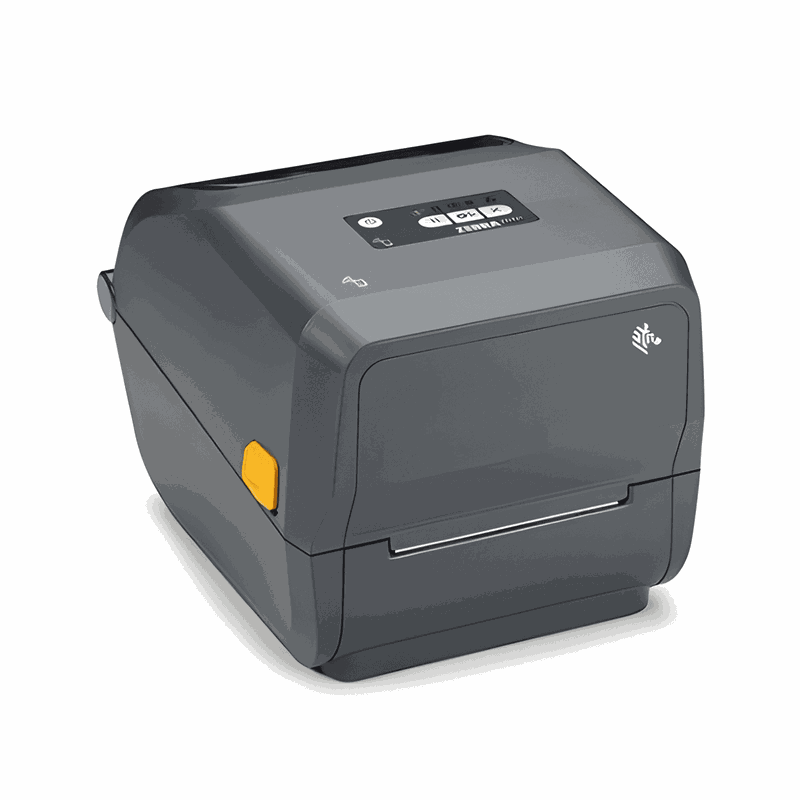

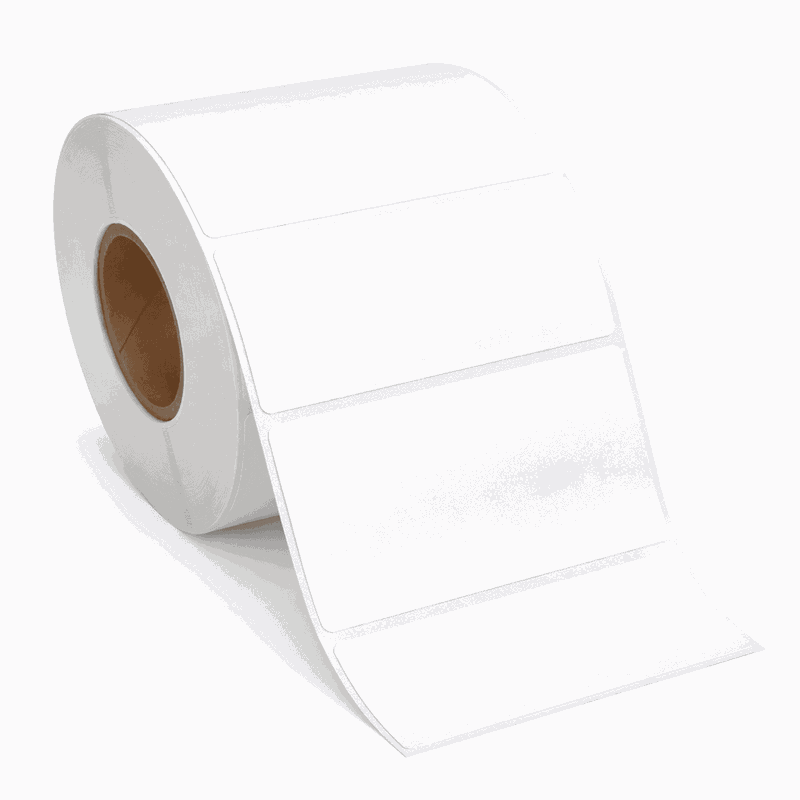

In a lab, a poorly chosen label can cause sample loss, identification error or traceability failure. That is why we define printer, label, ribbon and reading based on the environment (cold, alcohol, autoclave) and the code type.
At Gustavo D. Campos we help you build the complete system for sample, vial, batch and regulatory control identification.
Most go unnoticed until they cause a lost sample, an audit failure or a rejected batch. Catching them early prevents escalation.
Without a high-resolution printer, vial codes do not read.
Common adhesives fail in fridge, freezer or alcohol cleaning.

Basic scanners do not read small codes or curved-surface prints.
A rectangular label does not fit a tube cap or a small vial: the code ends up bent and unreadable.
The wrong ribbon loses adhesion with alcohol or autoclave.
From liquid nitrogen to autoclave there are 300 degrees. No label covers them all: find where your process falls.
The lab flow in 4 stages: from sample reception to regulatory archiving.
Identification of samples on intake with serialized code, patient or batch, linked to LIMS or HIS system from the first step.
No sample confusionLabeling of vials, ampoules, plates and tubes in process, with resistance to cold, alcohol and chemical cleaning.
Continuous traceabilityIdentification of reports and results with patient, batch and date, ready for clinical delivery or regulatory archive.
Results without errorDurable labels for long-term storage of samples or documentation, with legibility guaranteed for years.
Audit-readyPerformance depends on printer, label, ribbon and scanner being compatible with your protocol.
Consult recommended combinationWe help you define the right combination before you buy.
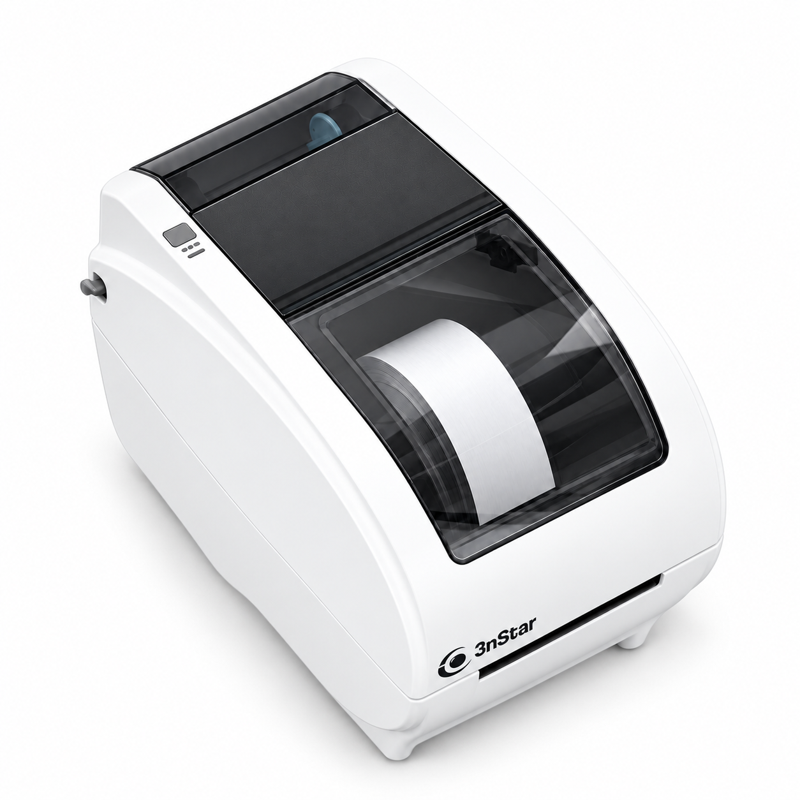
For clinics, hospitals and laboratories that see patients: the 3nStar LTT422 prints the patient's name, ID number, date and barcode on the wristband, from the admission PC or over the network. The wristbands are direct thermal: no ribbon needed.

If you already have a 2-inch thermal printer, we'll confirm whether it works with the wristbands.
The clearer these variables are when you ask, the more concrete and useful the recommendation will be.
Vial, ampoule, plate, tube, jar or other.
Fridge, freezer, alcohol or autoclave: decides adhesive and material.
Small codes or fine text need 300 dpi.
If you also identify patients: wristband and a 2" printer.
Integration with the LIMS, HIS or another system.
Number of samples processed per day.
With this information we can recommend better.
The questions we hear most when someone is building or upgrading a labeling system for this sector.
For small codes and fine text 300 dpi is recommended: Zebra ZD421T 300dpi, SATO CL4NX 300dpi or Honeywell PD45 300dpi. For color use with regulatory info, options like Epson ColorWorks CW-C6000 with BS 5609 certified ink. We help you evaluate resolution and connectivity before choosing.
For cold and freezer we recommend thermal labels with cold-resistant adhesive or synthetic with polyester. For alcohol or autoclave cleaning, polyester with resin ribbon is the safest combination. Each case requires validating adhesive and material/ribbon combination.
For samples with small codes, a 1D/2D imager scanner like Zebra DS2208 or Datalogic QuickScan is recommended: they read 1D, QR and DataMatrix accurately. For curved samples or tubes, options with technology optimized for non-flat surfaces exist. We guide you based on your protocol.
Tell us what type of sample you label, in what environment it is stored and what volume you process. We will recommend printer, label, ribbon and scanner based on your protocol.