Traceability
Batches mixing up?
Without serialized identification, batches get confused between lines and shifts.
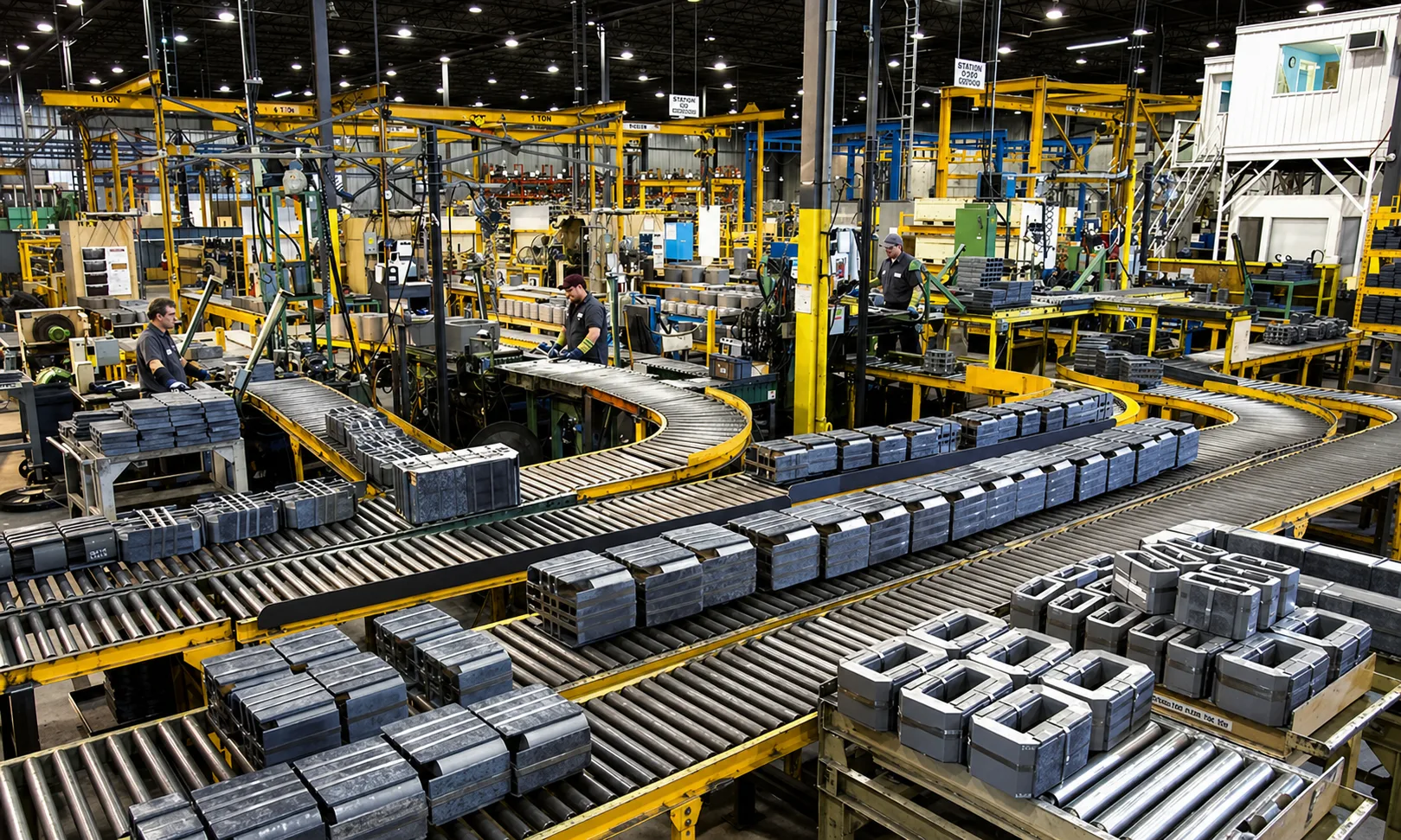
Industrial printers, durable labels, ribbons and scanners to identify raw materials, batches, finished goods and assets on the shop floor. We advise on each combination based on volume, environment and production process.


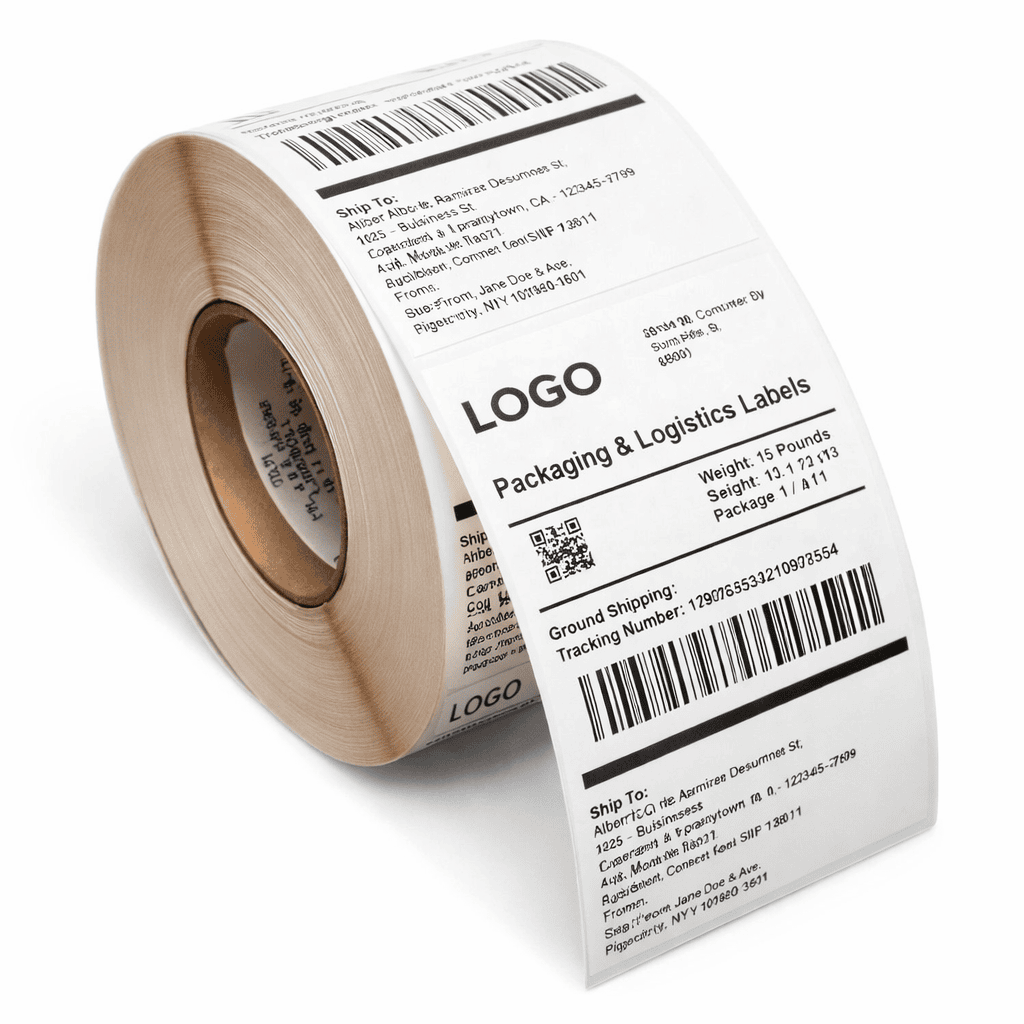

In industry, a poorly chosen label can cause traceability errors, batch mix-ups or unidentified products. That's why we define equipment, label, ribbon and reading based on plant pace, materials and environmental demands.
At Gustavo D. Campos we help you build the complete system to identify raw materials, batches, finished goods and assets across production.
Most of these go unnoticed until they cause a rejected batch, an untraced piece or a line stoppage. Catching them early prevents escalation.
Without serialized identification, batches get confused between lines and shifts.
Chemicals, heat or abrasion make a regular label unreadable in days.
A desktop printer can't keep up with a continuous-line pace.
Poorly printed or very small codes don't read well on the plant.
The wrong ribbon loses adhesion under heat or solvents.
Four typical plant aggressions against four material + ribbon combinations. Pick the row that covers your worst case, not the average.
On the plant floor, always polyester with resin. The cost difference per label is smaller than a single mis-identified part.
The production flow in 4 stages: identification from raw-material intake through finished-goods dispatch.
Identification of inputs with serialized code from warehouse intake.
Controlled stockBatch identification on the line with 1D or 2D codes per internal standard.
Traceable batchesFinal coding of the product with tracking, batch and expiry.
Complete identificationOutbound label with tracking code, ready to integrate with logistics.
No rework on dispatchPerformance depends on printer, label, ribbon and scanner being compatible.
Consult recommended combination
We help you define the right combination before you buy.
The clearer these variables are when you ask, the more concrete and useful the recommendation will be.
How many labels per shift and whether the line stops: decides desktop or industrial.
Oil, solvents, heat or abrasion: decides polyester with resin or a cheaper synthetic.
Metal, plastic, cardboard or a curved part: changes adhesive and size.
Code 128, QR or DataMatrix and its size: a small code needs 300 dpi.
Whether it prints from the ERP or MES, over the network or from a PC: decides connectivity.
Weeks in process or years on the asset: changes material, ribbon and cost.
With this information we can recommend better.
The questions we hear most when someone is building or upgrading a plant identification system.
For continuous production Zebra ZT411, SATO CL4NX or Honeywell PM45 usually work well: metal chassis, wide print width, and connectivity for ERP or MES integration. If volume is low or space is tight, there are more compact semi-industrial alternatives. We help you evaluate pace, width and connectivity before choosing.
Typically synthetic labels (polyester or polypropylene) when there's abrasion, humidity or chemicals; common thermal labels for short-life identification. The choice depends on the environment the part will move through and how long it must stay legible.
If reading happens at a fixed point (line, table, dispatch), a handheld scanner is enough. If you need to walk aisles, count raw material in stock or work offline, a data collector is worth evaluating. The choice depends on workflow and operator movement.
Tell us what you need to identify, your volume and where the label goes. We will recommend printer, label, ribbon and scanner based on your industrial operation.
